Results
Results Matter More Than Activity.
At STC, we don't measure success by the number of meetings held, presentations created, or recommendations delivered.
We look for what actually becomes different.
Did the change work in practice?
Did roles, responsibilities, and expectations become clearer?
Did execution and decision-making improve?
Did employees have what they needed to succeed?
Were unnecessary disruptions or customer impacts avoided?
Did the organization begin operating more effectively?
That's the standard we bring to our work.

What Results Look Like in Practice
The Challenge
Making Sure New Technology Worked in the Reality of the Business
A major U.S. refinery was preparing to implement a new workforce-management and timekeeping solution.
The technology itself was only part of the change.
Supervisors needed to understand not only how to use the system, but what was changing in their responsibilities, how employees would be affected, where questions or confusion were likely to emerge, and what leaders needed to do differently once the solution went live.

How STC helped
STC began by equipping the leaders
STC helped translate the technology implementation into the practical implications for the people responsible for making it work.
The work included examining change impacts, preparing supervisors for what would be different, engaging key stakeholders, clarifying expectations, and developing the communications and support needed to help teams transition successfully.
The Result
A Complex Technology Change Became a Workable Operational Transition
The solution was successfully deployed and adopted within a complex refinery environment, with leaders and supervisors better prepared to guide employees through the transition and reinforce the new way of working.
The Bigger Lesson
Technology Doesn't Change an Organization by Itself
Technology can change a system overnight. It doesn't automatically change how people understand their roles, make decisions, complete work, or support one another.
Successful implementation requires looking beyond the technology to the organization around it.
The Challenge
Turning Ideas Into a Strategy the Team Could Actually Use
An employee resource group within a major global organization wanted to step back from day-to-day activities and create a clearer strategy for the year ahead.
The goal wasn't simply to generate another list of events and initiatives.
They needed alignment around what they wanted to accomplish, where to focus their energy, and how their priorities could create meaningful value for the people they served.
How STC helped
STC began by listening.
Those insights shaped a facilitated two-day strategy workshop designed to surface different perspectives, create alignment around priorities, and move the group from individual ideas to shared direction.
The Result
From Competing Ideas to Shared Direction
The group left the engagement with greater alignment around its direction, clearer strategic priorities, a stronger basis for deciding where to focus time and resources, and greater ownership of the strategy they helped create.
The Bigger Lesson
Why it matters
A strategy shouldn't be something a consultant creates for you and then hands back.
The people responsible for bringing it to life need to understand it, believe in it, and see themselves in it.
STC's role is to create the structure, ask the right questions, challenge assumptions, and facilitate the conversations that move teams from good ideas to shared direction—and shared direction into action.
Different Challenges. The Same Standard.
Whether the work involves technology, strategy, organizational transformation, leadership, or growth,
STC focuses on the same question:
What needs to become different for the client to achieve the result that matters?
The Experience That Informs Our Work
STC's approach is shaped by experience supporting leaders and organizations across complex corporate, entrepreneurial, nonprofit, and community environments.





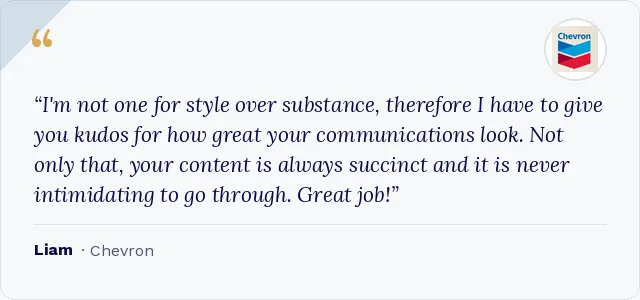
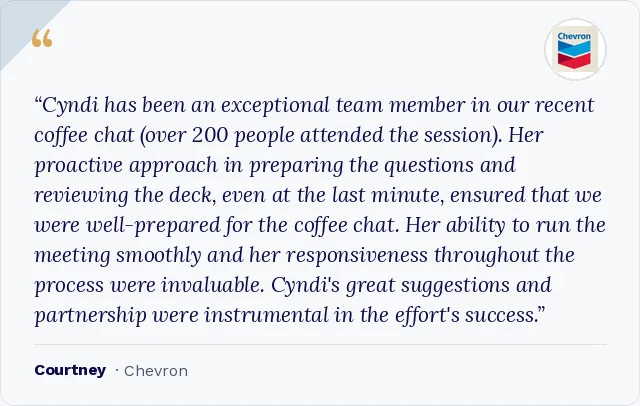
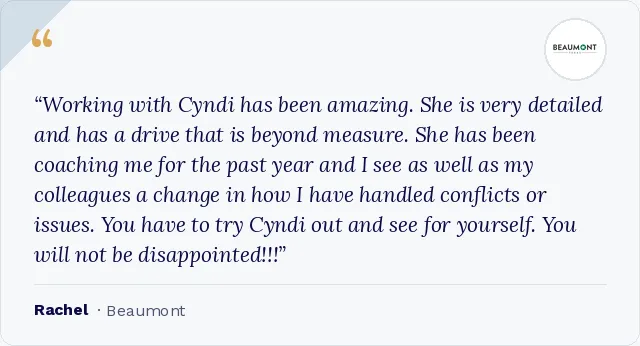
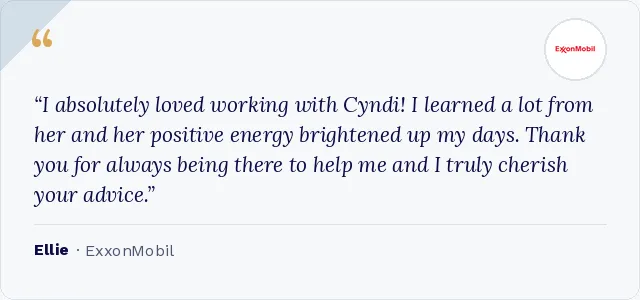
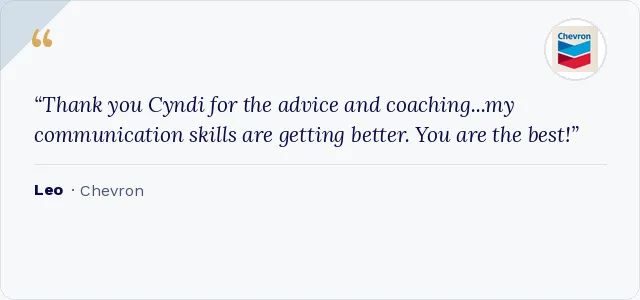
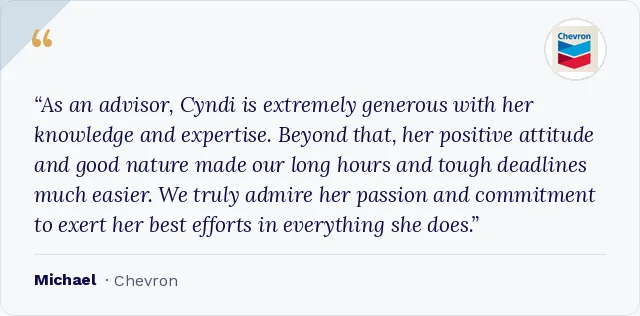
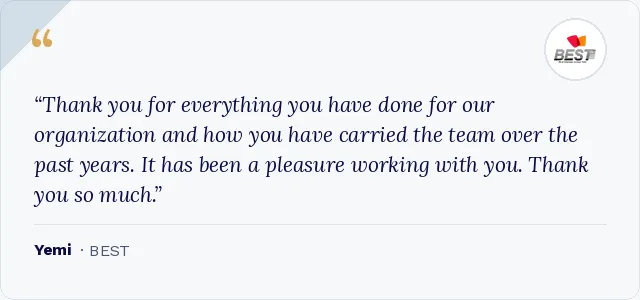
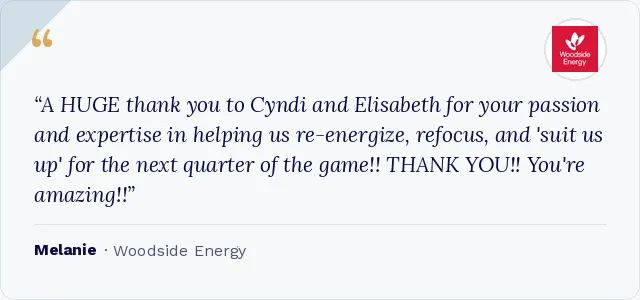
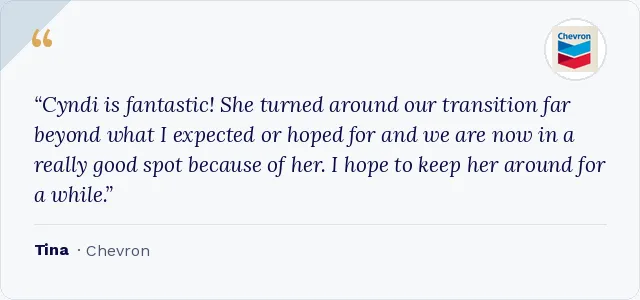
What Clients Experienced
Ready for What's Next?
What could work better before your next change goes live?
Maybe you're preparing to reorganize teams or shift responsibilities.
Adding a new layer of leadership as the business grows.
Introducing technology or AI that will change how people work.
Changing an operating model, workflow, or decision structure.
Or trying to make sure a well-intended change doesn't create new problems for employees or customers.
STC helps leadership understand what could get in the way—and what needs attention before the transition moves forward.
STC · Strategic Transformation Consulting
Organizational transformation, leadership development, and business effectiveness.

Innovation
Fresh, creative solutions.

Integrity
Honesty and transparency.

Excellence
Top-notch services.
“We don't simply help organizations manage change. We help them transform.”
Copyright 2026. Strategic Transformation Consulting. All Rights Reserved.
Privacy · Terms